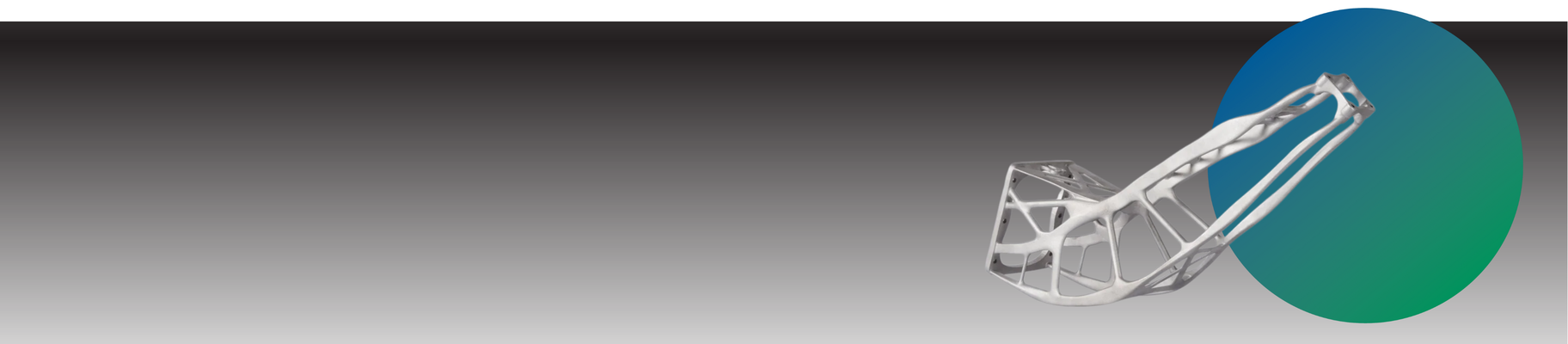
3D Printing for Space
Enabling High-Performance, Mission-Critical Components for the New Space Era
Spacecraft and satellites have always depended on cutting-edge engineering. Today, industrial 3D printing is pushing these boundaries even further - enabling unprecedented design freedom, faster development cycles and highly efficient production of mission-critical components. As the commercial space sector accelerates, new players are entering the market with a decisive advantage: additive manufacturing is uniquely positioned to meet the aerospace industry’s extreme performance, safety and quality requirements, while significantly reducing cost and time-to-market.
Additive Manufacturing for Rocket Engines and Satellite Parts
Focus on Speed and Efficiency: In the rapidly evolving market for commercial space applications, speed is everything. The ability to produce prototypes, functional demonstrators and small series quickly and reliably has become a crucial competitive differentiator. This is exactly where industrial 3D printing reveals its full potential - delivering maximum agility without compromising on performance.
That’s Why EOS Is the Right Partner
EOS Projects From Practice
Rocket Engines
Small satellites increasingly power essential services—from weather forecasting to communications and Earth observation. Getting these microsatellites into orbit quickly and cost-effectively has become a major competitive factor. This demand is driving rapid growth in the “New Space” sector, where startups and established players are racing to develop efficient, reliable small launch vehicles. In the end, the engine that delivers the highest performance at the lowest cost will define the market leaders.
Additive manufacturing is a key enabler in this race. It reduces production costs while boosting engine performance—especially when critical components, or even the entire engine, are produced as a single, integrated 3D-printed part. Fewer assembly steps, fewer potential failure points, and access to advanced cooling and combustion architectures create a decisive performance edge.
The Potential of Additive Manufacturing for Rocket Engines
Additive manufacturing addresses the core challenges of modern rocket propulsion: higher performance, lower weight, and maximum reliability. EOS enables engine developers to push technological boundaries with industrial 3D printing - achieving solutions that are not possible with conventional manufacturing.
-
Lightweight, highly efficient structures
-
Integrated cooling and functional features
-
Strong reduction in assembly steps and failure points
-
Faster development cycles and rapid design iterations

LAUNCHER
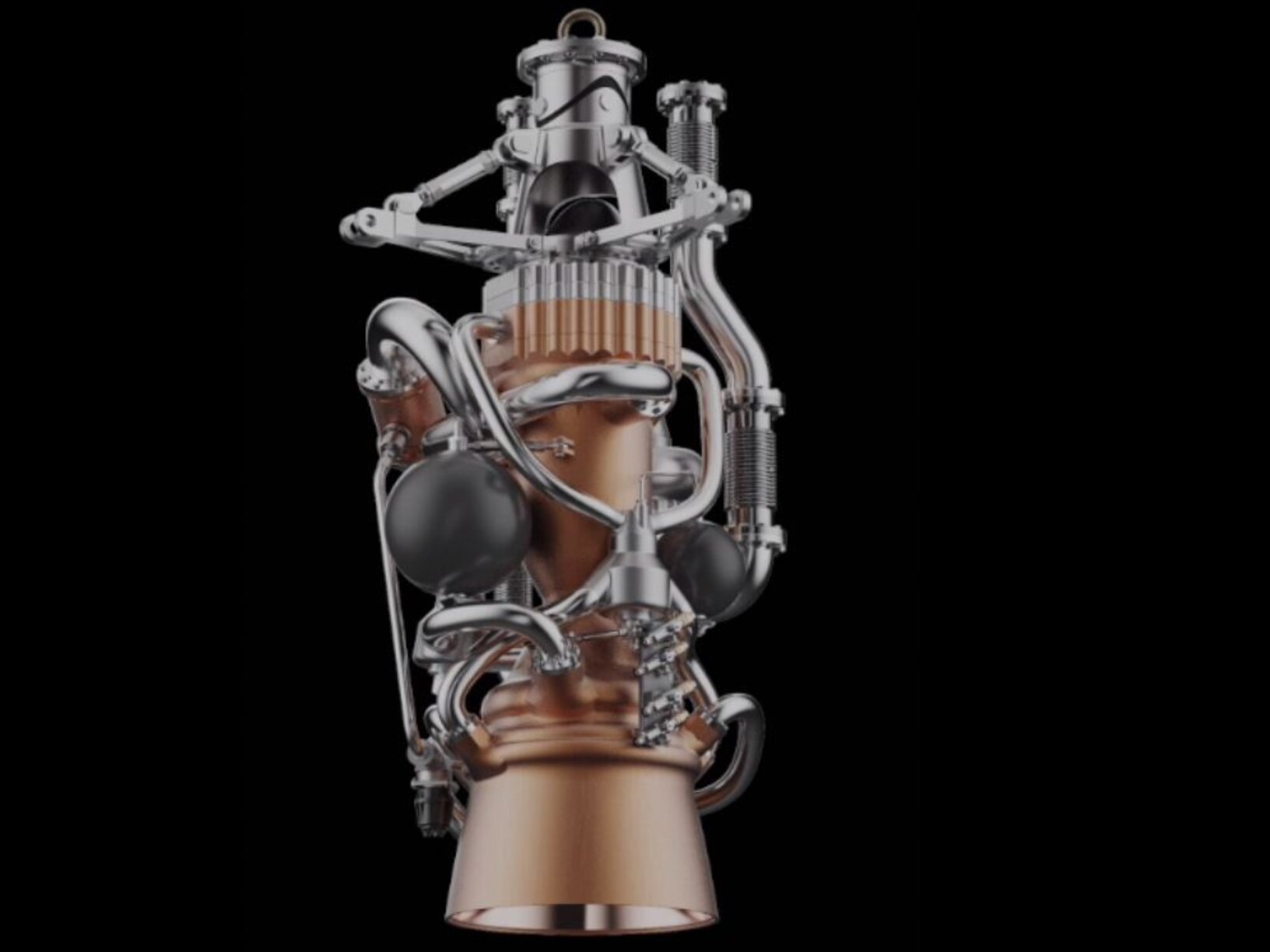
LAUNCHER set out to build a rocket engine that delivers maximum efficiency at minimum cost. Their design follows a classic architecture but adds internal ribs for optimized cooling - made possible only through additive manufacturing. With support from EOS and AMCM, the US-based startup was able to design, build, test and iterate this engine faster and more cost-effectively than ever before.
A Breakthrough in Scale and Performance
AMCM, part of the EOS Group and specialized in custom industrial 3D printers, tackled the main challenges: extreme component size and demanding copper alloy requirements. The result is a combustion chamber measuring 86 cm (34 in) in height with a 41 cm (16 in) nozzle diameter - the largest single-piece liquid rocket combustion chamber ever produced additively.
The project gained national recognition: LAUNCHER’s E-2 booster won a $1.5M award at the US Air Force Space Pitch Day, accelerating its development and test program. Full-scale test runs are already underway.
"The combustion chamber, 3D printed from a copper alloy on AMCM’s M4K machines, is the largest single-piece combustion chamber for liquid rocket engines in the world."
ArianeGroup
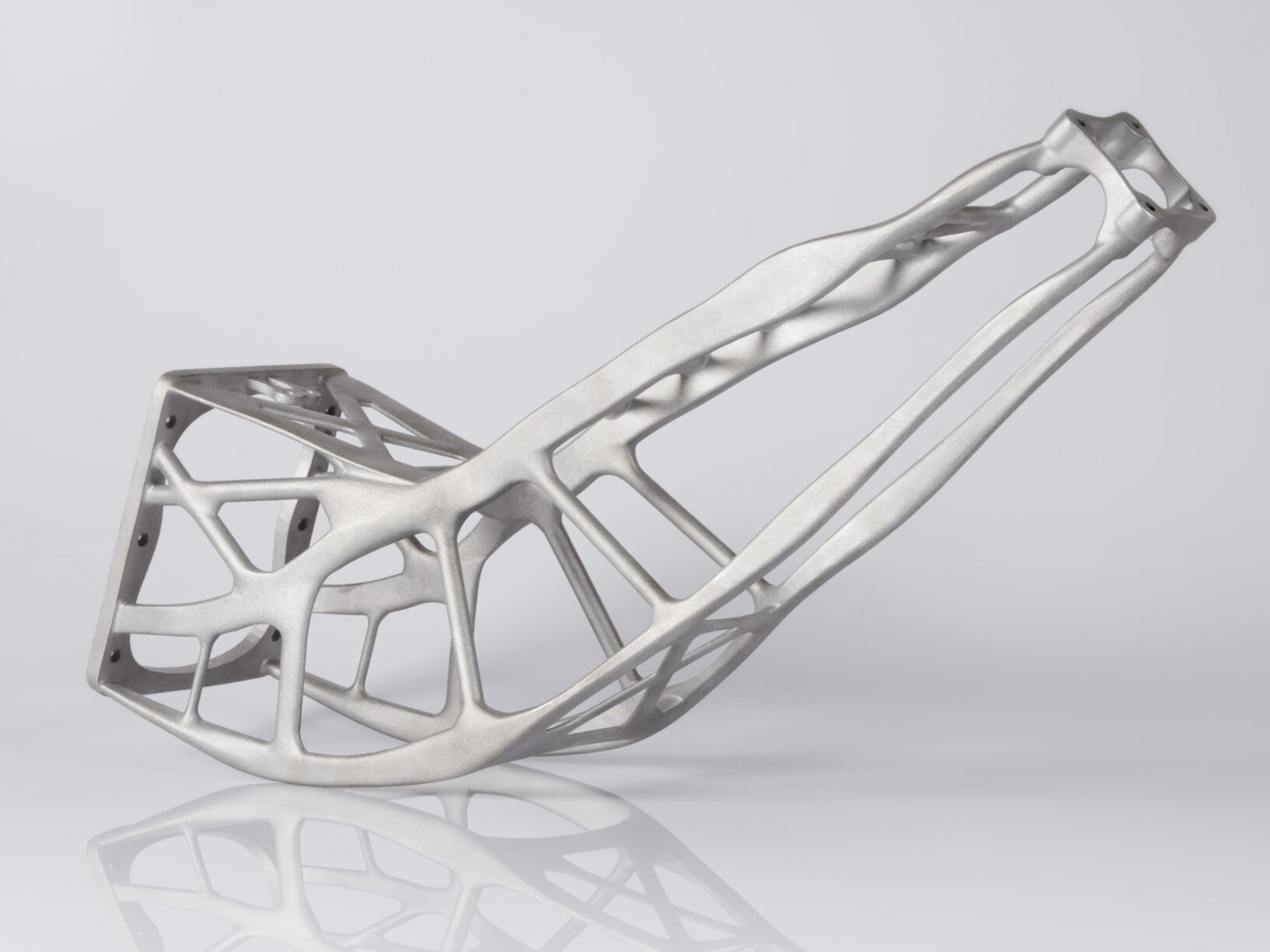
ArianeGroup chose industrial 3D printing to redesign a critical injection head for the Ariane 6 rocket engine - reducing 248 parts to just one. Together with EOS Additive Minds, the team optimized risks, costs and the entire production workflow.
-
2,165 hours production time saved
-
50% lower costs
-
247 parts eliminated through full functional integration
"Together, we are preparing to additively manufacture the injection head for a rocket engine. The results are impressive – a significantly reduced production time and a 50 % reduction in costs."
Dr.-Ing. Steffen Beyer, Head of Production Technology | ArianeGroup


Get Inspired
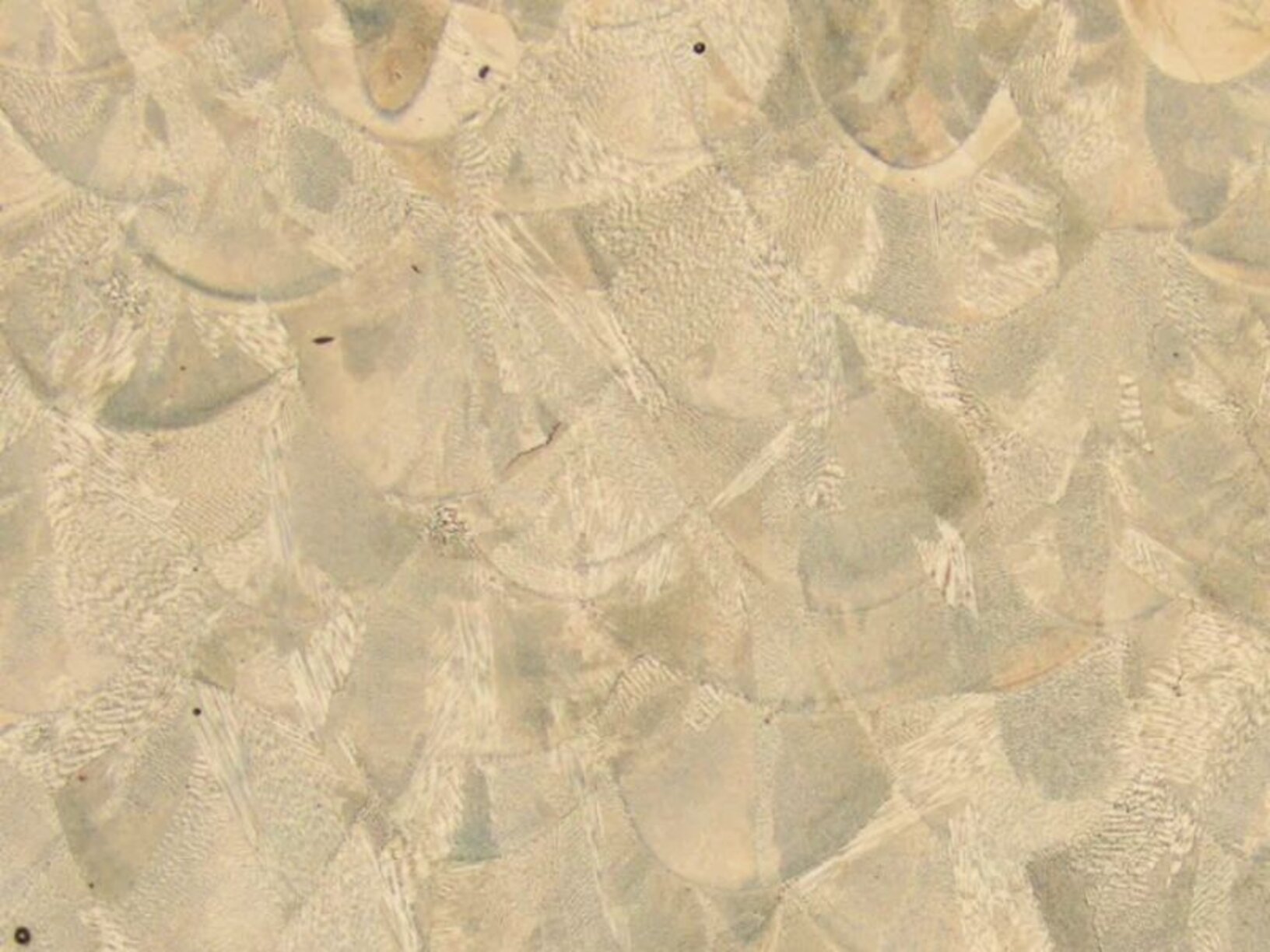
EOS NickelAlloy K500
Blog
In aerospace, K500’s strength, thermal conductivity, and corrosion resistance make it ideal for rocket engines and nozzles, reliably withstanding extreme temperatures and pressures.
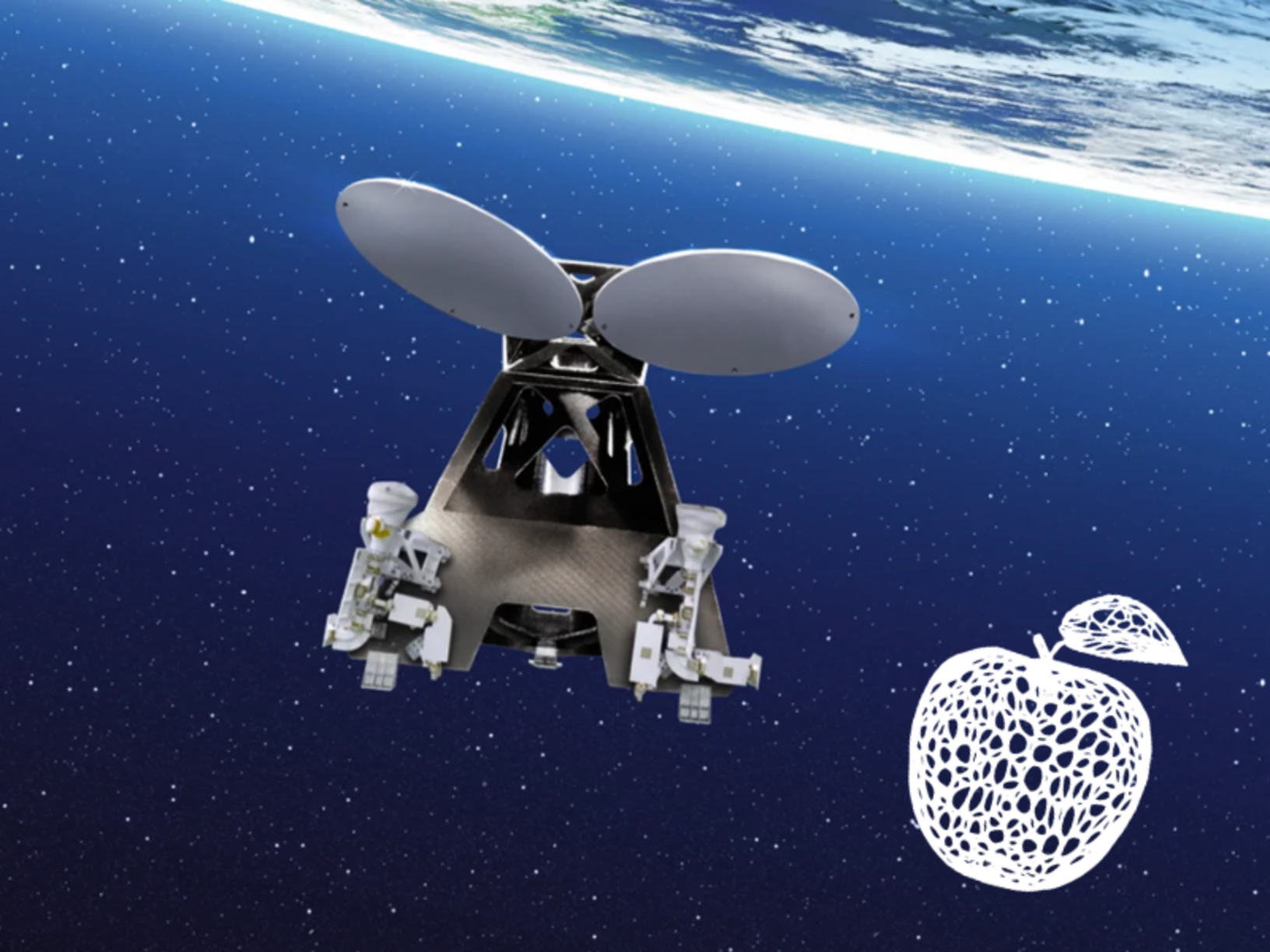

NewSpace: Growing Industry
Blog

