What Industries Use 3D-Printed Drones?
3D Printing Drones & UAVs
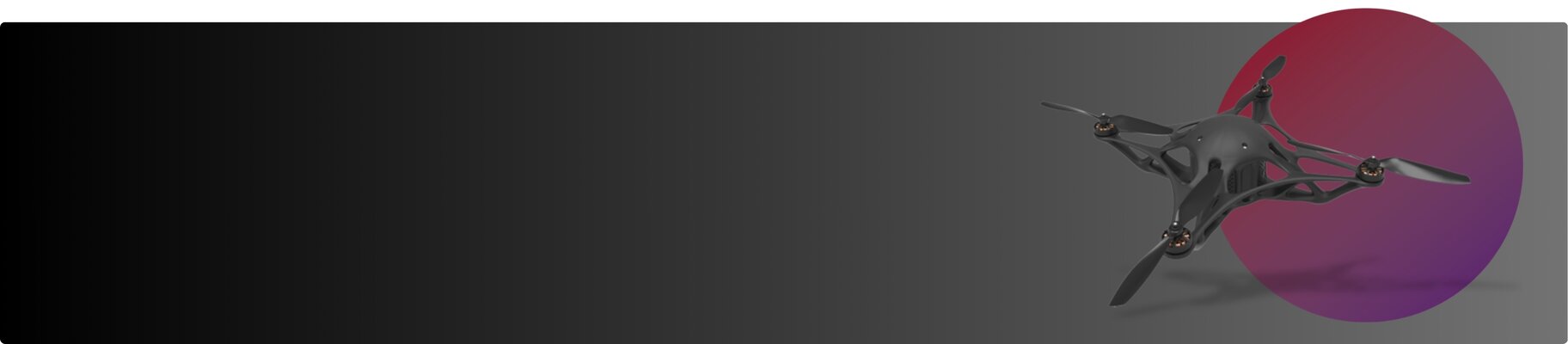
The benefits of 3D printing drones and unmanned aerial vehicles (UAVs) are transforming the aerospace and defense sectors. By replacing conventional manufacturing with industrial additive manufacturing (AM), organizations can design, iterate, and produce highly optimized aircraft on demand. Advantages of an industrial 3D-printed drone include significant weight reduction, consolidated assemblies, aerodynamic optimization, and accelerated time-to-market.
Is a 3D-Printed Drone as Efficient as a Traditional Drone?
Yes, a 3D-printed drone can be just as efficient, or even more efficient, than a traditional drone, provided it’s designed well. While legacy aircraft used to utilize carbon fiber sheets and intensive manual layouts, modern industrial 3D printing workflows optimize internal structures to minimize mass.
By leveraging advanced geometric freedom, engineers can reduce structural weight by up to 40%. This drastic weight reduction directly enhances overall flight time, increases payload capacity, and boosts maximum flight speed or extends mission time, allowing drone manufacturers to surpass the structural limits of any traditional manufacturing method.
Why Choose 3D Printing for UAV & Drone Parts?
Transitioning away from conventional techniques, such as tool-heavy injection molding, allows for seamless customization and true engineering freedom. Industrial 3D printing technology replaces multi-part assemblies with unified structures, making it possible to build a complex component as a single print. Furthermore, during initial prototyping stages, teams can modify digital 3D files, upload a new 3D model, and print a functional prototype within hours, significantly lowering overall development costs.
What Drone and UAV Parts Can Be 3D Printed?
Industrial machines can 3D print virtually an entire drone architecture, except for the sensitive electronics and core silicon. Key component categories optimized for the aviation industry include:
What Materials Does EOS Recommend for UAV Applications: Metal or Polymer?
Selecting the correct material is critical for an aircraft's performance. While consumer drone enthusiasts and hobbyist drone pilots typically use basic filament on small FDM printers supporting multi-color printing, industrial UAV production demands high-performance polymers and aerospace-grade metals.
Polymer Materials
EOS highly recommends engineering-grade nylon (such as PA 12) for the vast majority of structural polymer requests. It provides the ideal balance of tensile strength, fatigue resistance, and environmental durability required for long-term field operations. There are also flame-retardant polymers that meet compliance requirements and flexible polymers that are suitable for making damping elements.
Metal Materials
For high-stress propulsion mounts, thermal sinks, or structural landing joints, EOS recommends premium titanium and aluminium alloys. Titanium offers an unrivaled strength-to-weight ratio for defense applications, while aluminum delivers excellent thermal dissipation and lightweight properties. Metal is also an excellent material for creating structures and frames that are highly stable and resistant to vibration.
To find the perfect material matrix for your application, explore our products across both our polymer and metal portfolios.
Success Stories in Additive UAV Manufacturing
Success Story
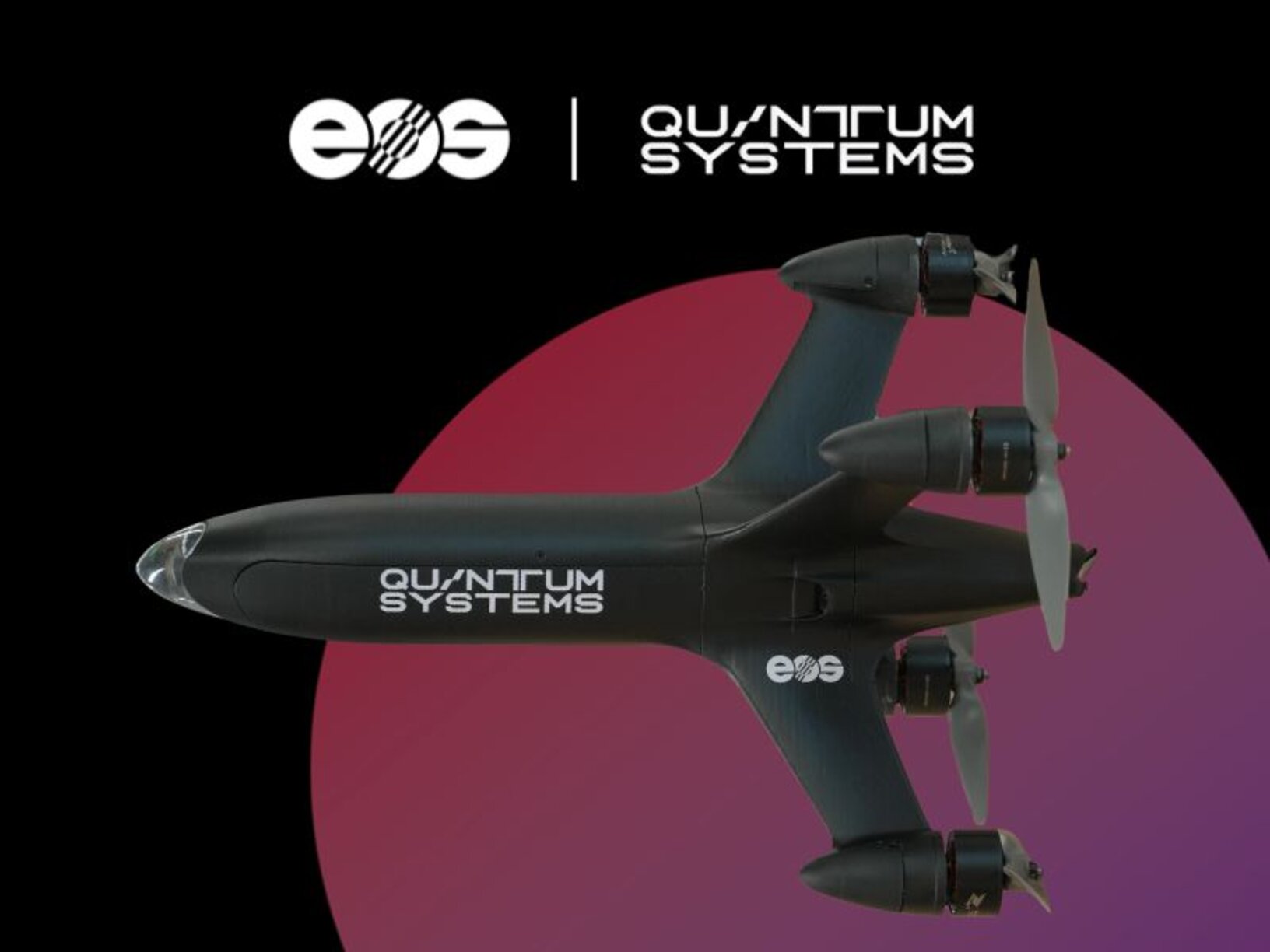
Quantum Systems
High-Speed Drone
-
Complex geometries with integrated functionality.
-
Rapid design iterations within hours instead of weeks.
-
Solution provider for metal and polymer 3D printing.

Success Story
1zu1 & FESTO
3D-Printed Autonomous Swarming Drones
- 75% reduced frame weight to just 3 grams.
- Rapid design iterations and short lead times.
- Successful autonomous swarm flight with 20 units.

Success Story
Ecoparts & Swiss Drone Services
Drones for Industrial Cleaning
- 40% weight reduction to maximize flight time and agility.
- 60% peak vibration reduction for increased flight stability.
- The 3-week concept-to-part delivery met the aggressive project timeline of the end customer.

Success Story
Parts On Demand & the Drone Bird Company
Bird-Shaped Mimicry Drone
- Mimicking real birds for security surveillance, crop protection, and preventing bird strikes at airports.
- 20% weight reduction due to material change.
- Glass- and carbon-fiber-filled material increase stiffness and leverage lightweight design.

Success Story
Ascending Technologies
Weight Optimized Drone
- Customizable lightweight design with integrated cable routing and payload adapter
- Protection of all electronic components
- Part consolidation reduces assembly time

Success Story
Parts On Demand & Corvus Drones
Agricultural Drone
- Drone collecting data, freeing up employees to focus on the crops
- AM enables the production of stronger and stiffer drones that have larger wingspans and greater impact resistance

Success Story
AIE
Optimized Rotary Engine for UAVs
- Weight reduction improves engine performance
- Component consolidation reduces lead time and production costs
FAQs About 3D Printing Drones
Here are the answers to some frequently asked questions about AM tools and methods and how they relate to drones and other UAVs.
What Is a 3D-Printed Drone Kit?
Are 3D-Printed Drones More Eco-Friendly?
What Is the 1:1 Rule for Drones?
How Quickly Can EOS Technology Move From Concept to Finished Drone Component?
Start Your 3D Printing Journey Today
Transitioning your UAV production to an additive workflow requires an industrial partner capable of delivering certified, repeatable results. EOS provides an integrated ecosystem of advanced laser sintering systems, validated materials, and specialized consulting to help you scale seamlessly from initial concept to full-scale serial manufacturing.
Ready to eliminate geometric constraints and elevate your fleet's aerial performance? Contact our experts to discuss your application requirements or schedule a consultation.


