
EOS Smart Fusion
Closed-Loop Process Control for Support-Reduced Metal Additive Manufacturing
EOS Smart Fusion
EOS Smart Fusion is EOS’s closed-loop process control innovation for metal additive manufacturing. It actively manages thermal conditions during the build process to reduce support structures, improve part quality, and increase productivity.
Available as part of EOS Smart Monitoring, Smart Fusion uses live data from EOSTATE Exposure OT to automatically adjust laser power during the build - transforming process monitoring into intelligent, real-time process control.
EOS Smart Fusion is available with the EOS Smart Monitoring software plan and requires an active EOS Build Plan and OT camera system.
What Is EOS Smart Fusion?
EOS Smart Fusion is an automated, software-based thermal management technology for metal AM.
By continuously monitoring thermal emissions and energy input during the build, Smart Fusion dynamically adjusts laser power to keep the process within defined limits established during pre-processing. This enables stable builds even for challenging geometries without relying on excessive support structures.
Smart Fusion represents the next step beyond monitoring: from observing the process to actively controlling it.
Why Closed-Loop Control Matters in Metal AM
In laser powder bed fusion, thermal instability is one of the main causes of:
- support-heavy designs
- long build times
- part distortion and defects
- repeated trial builds
Static process parameters alone cannot compensate for local thermal variations caused by geometry, heat accumulation, or part orientation.
Smart Fusion closes this gap by reacting to real-time process data during the build - enabling robust, repeatable production conditions.
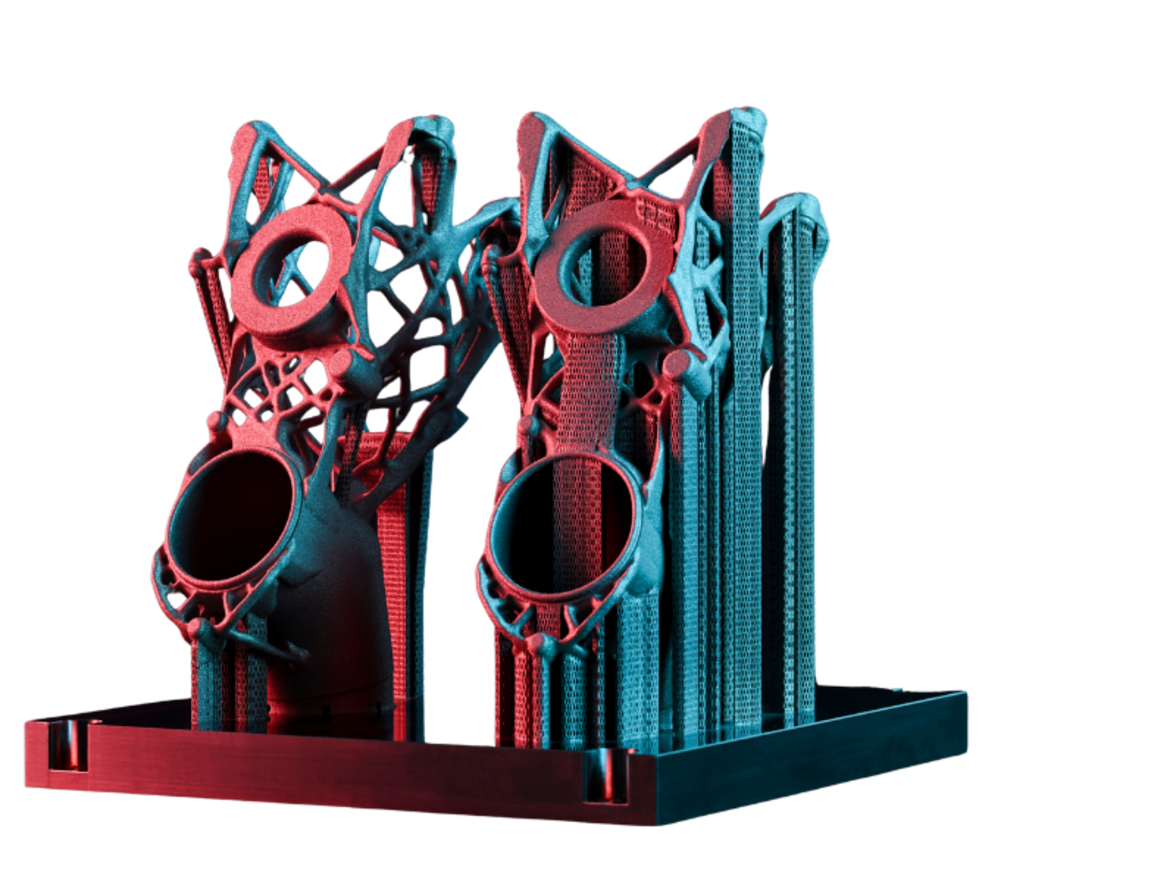
How EOS Smart Fusion Works
Smart Fusion enhances the conventional DMLS process through real-time monitoring and closed-loop feedback. In practice, this means:
- A high-resolution OT camera continuously measures thermal emissions and energy input
- Exposure OT analyzes gray-value distributions and thermal behavior layer by layer
- Smart Fusion dynamically calculates the optimal laser power based on local conditions
- Laser power is adjusted automatically during the build
This process is repeated layer by layer with an optical resolution of approximately 100 µm, allowing Smart Fusion to continuously react to local thermal variations throughout the entire build.
The result is a stable, first-time-right manufacturing process that significantly reduces the number of required iterations while enabling a substantial reduction in support structures.
Key Benefits of EOS Smart Fusion

Smart Fusion: Smarter Heat Control for Metal Additive Manufacturing
Blog
Smart Fusion enables intelligent, real-time heat management in metal additive manufacturing, helping manufacturers achieve higher build stability, consistent part quality, and greater production efficiency at industrial scale.
-
Real-time thermal control ensures consistent quality and reliable builds
-
Support reduction lowers material use, post-processing effort, and costs
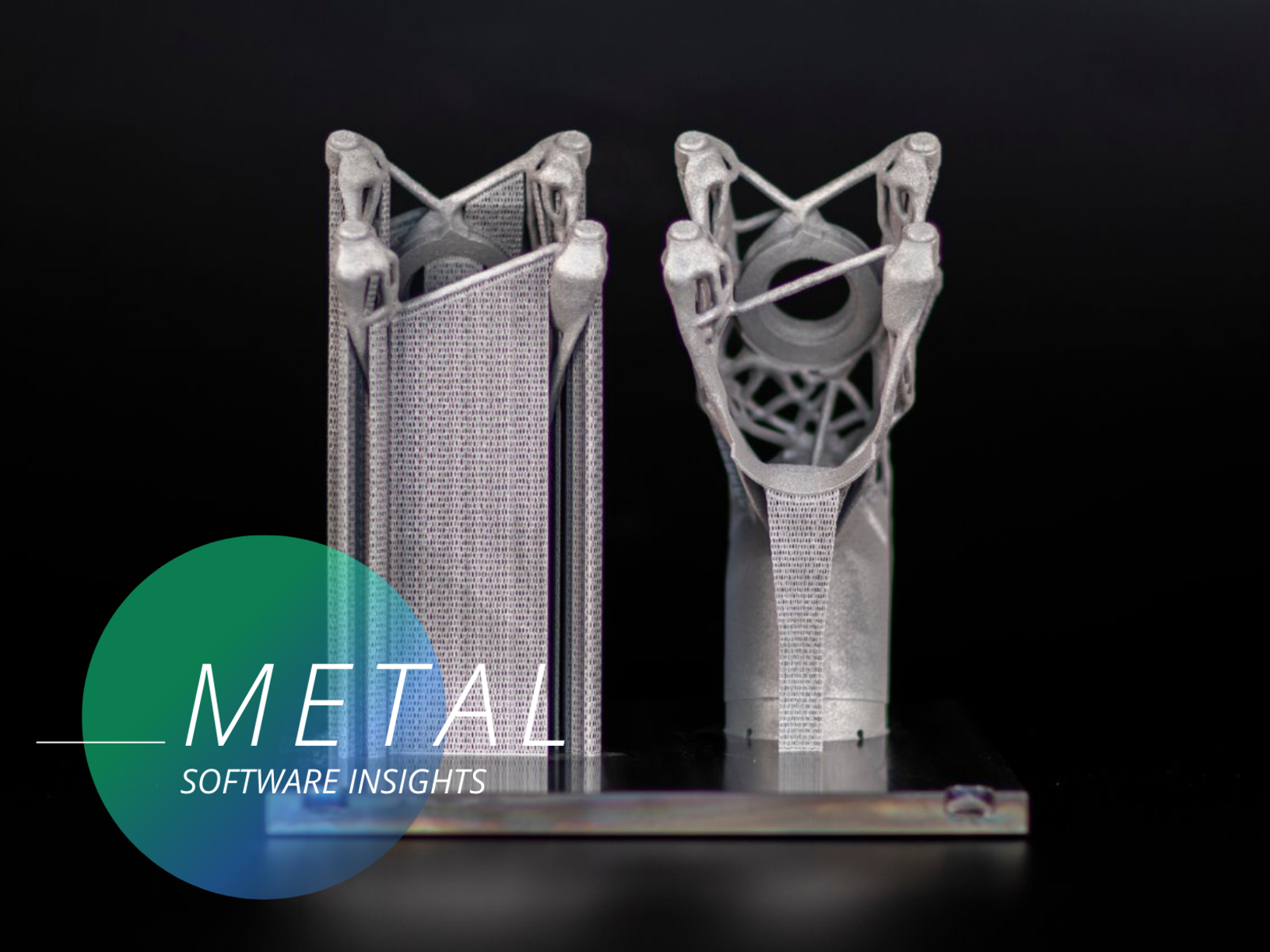
Smart Fusion: Feedback Loop Control for Homogeneous Microstructures
Blog
Smart Fusion is a closed-loop control system for metal PBF-LB/M processes that actively prevents overheating and ensures homogeneous microstructures and consistent mechanical properties.
-
More uniform microstructures and hardness distribution in complex geometries through real-time, geometry-dependent laser power adjustment
-
Reduced overheating without productivity loss, enabling fewer supports and shorter or eliminated waiting times
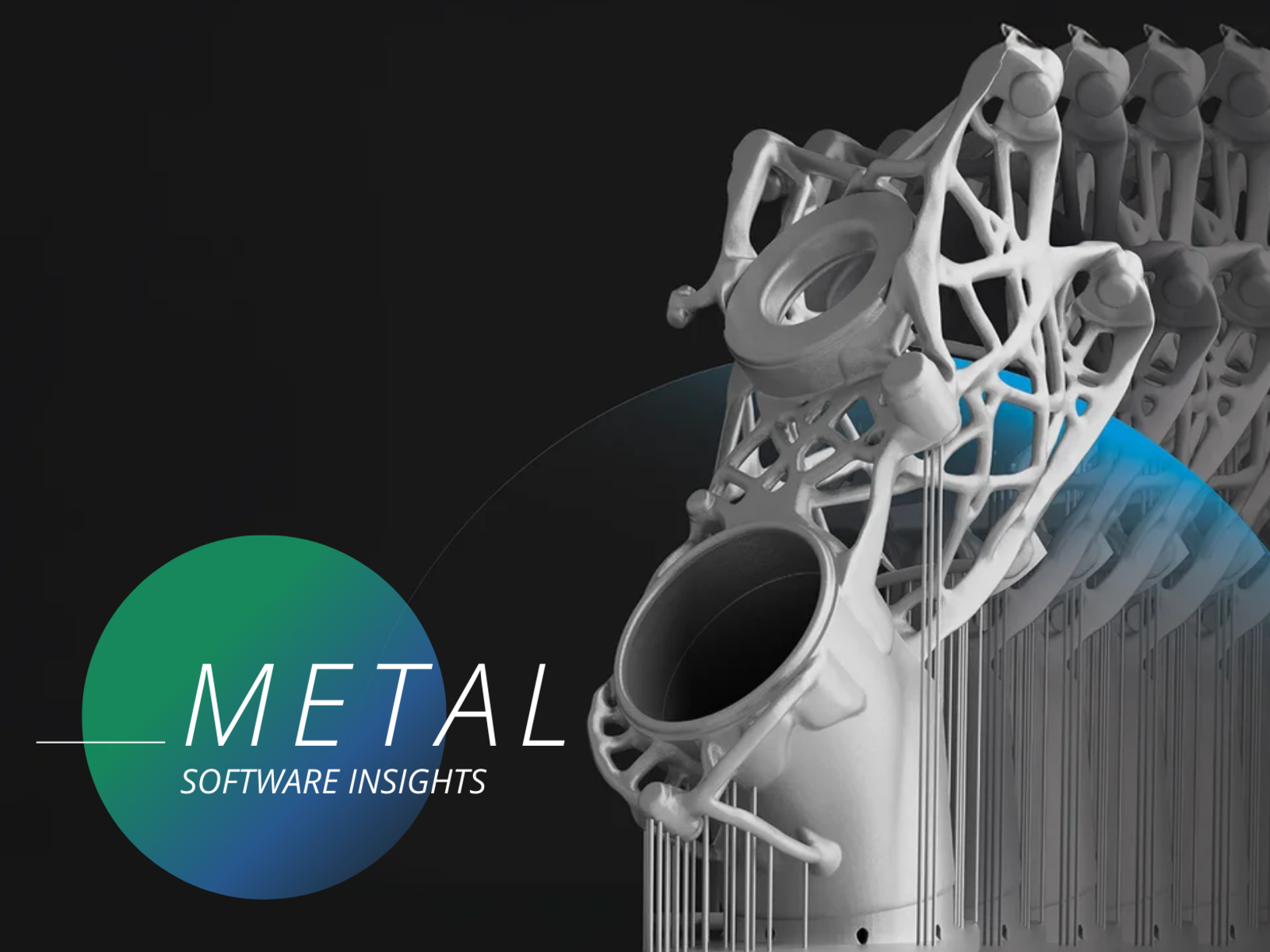
Smart Fusion Replay: Reproducible Intelligence for Series Production
Blog
Smart Fusion Replay enables deterministic, repeatable metal additive manufacturing by capturing and reusing optimized Smart Fusion process parameters, making advanced AM qualification-ready for regulated industries.
-
Combines Smart Fusion optimization with full process repeatability, enabling qualification and serial production for aerospace and medical applications
-
Reduces supports, build time, and cost while ensuring consistent part quality through frozen, pre-validated laser power parameters
Smart Fusion in the EOS Software Ecosystem
Smart Fusion is fully integrated into the EOS software stack:
- EOS Build defines validated parameters and exposure strategies
- EOSTATE Exposure OT monitors thermal behavior in real time
- EOS Smart Fusion actively controls the process during the build
Together, they form a closed-loop system for data-driven, industrial metal additive manufacturing.
Training and Expert Enablement
To support successful adoption, EOS offers Smart Fusion Expert Sessions:
- In-depth insights into intelligent process control
- Practical examples and real-world applications
- Guide on heat management, quality improvement, cost reduction
Designed for professionals aiming to increase efficiency, reliability, and competitive advantage in metal AM.

Smart Fusion - Microstructures
Whitepaper
Get deep insight into how overheating during the PBF-LB/M process results in significant alterations to microstructures depending on part geometry and layer times.

Master the Challenge of Support-Free
On-Demand Webinar
This expert webinar shows how Smart Fusion enables support-free and support-reduced metal AM, reduces cost per part, and expands design freedom through intelligent thermal management.
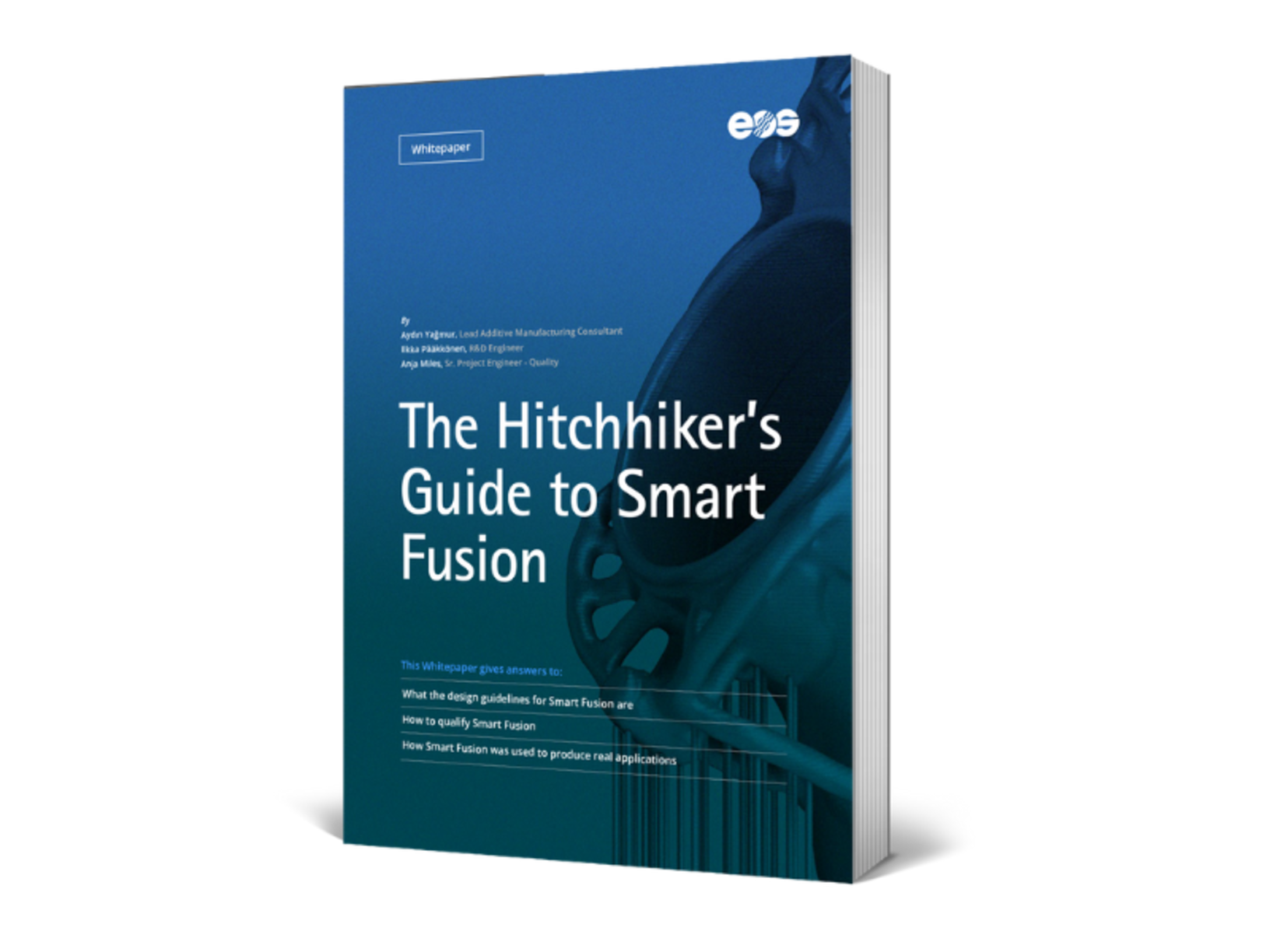
The Hitchhiker’s Guide to Smart Fusion
Whitepaper
This whitepaper explains how Smart Fusion enables support-reduced metal additive manufacturing through closed-loop process control, including design guidelines, qualification approaches, and real-world application examples.

